Carpenter bees are quiet carpenters in their own right, precise and persistent. They do not eat wood the way termites do, but they bore galleries to raise their young. Left alone for a few seasons, even a few tidy entry holes can lead to a honeycomb of internal tunnels, sagging fascia boards, frayed eaves, and paint that flakes off in oval patches. The fix is not simply cosmetic. Good repair work breaks the cycle of reinfestation, protects the wood from moisture, and restores the surface so paint and stain can bond again.
This is a practical guide to what matters when you inherit last year’s, or last decade’s, carpenter bee damage. It covers how to read the holes, when to treat, how to fill, and where homeowners tend to get tripped up. It also sketches how pros think about timing and materials, because with bees, the order of operations is the difference between a quick touch-up and a season-long headache.
What carpenter bee holes tell you
A round hole the diameter of a pencil eraser is the headline clue. That neat entry usually shifts to a right-angle turn inside the board, then runs with the grain. The exterior hole is often 3/8 inch across, a clean drill bit circle. Sawdust frass collects below like yellow talc. Male bees hover and bluff, females do the drilling. If you probe a hole gently with a pipe cleaner or a 12 inch piece of weed-whacker line, you can feel whether the tunnel veers right or left, and you can estimate depth. Shallow galleries under three inches suggest a new nest. Deeper or multiple branches suggest last year’s brood reused and expanded.
Older damage shows as several holes at even spacing under the same board lip, especially under soffits and deck rails. A single 8 foot fascia board might have five entry holes but only two galleries, since females sometimes sample before they commit. In painted pine, paint lips can curl back from moisture wicking into the gallery. In cedar or redwood, the hole edges weather gray unless the bees were active this spring.
The goal of inspection is not just to count holes. You want to map which boards were hit, where galleries likely run, and whether any structural swelling or softness means the board should be replaced rather than patched. A screwdriver tip pressed into the underside of a rail tells you a lot. If it dents easily, rot has joined the party.
Timing repairs with the bee life cycle
Carpenter bees overwinter as adults in old galleries, emerge in spring on the first warm streak, and start excavating and provisioning from mid spring into early summer. Eggs become larvae, larvae become pupae, and new adults often do not leave the wood until late summer. If you seal an active gallery early, you trap brood, which sounds helpful, but you risk driving live adults to excavate emergency exits and extend damage. If you leave holes open too long, you invite re-use.
The most reliable practice is two stage. First, treat active galleries when adults are foraging, ideally late afternoon when most bees have returned. Allow several days for product to work and for adults to contact treated dusts. Second, close and restore the wood at the end of the season, or after you verify inactivity. In cool climates, that might be late August through October. In warmer regions, mid fall is safer.
There are also windows for a quick response. If you discover fresh holes early in spring and you can apply the right dust, you can often knock down activity within a week and proceed to patch. What matters most is that you do not push putty into an active nest and assume the job is finished.
The repair workflow that holds up
A sound repair sequence moves from diagnosis, to treatment, to cleaning, to structural fixes, to filling, then priming and sealing. Skip a step and the repair tends to telegraph later as a blistered plug or a new hole one inch away.
- Inspection and mapping: Photograph each face of the structure, mark hole locations with chalk, and pick a numbering scheme you can follow. Treatment: Apply an appropriate gallery dust or foam inset to reach the internal tunnel, not just the entry lip. Cleanout: Vacuum frass, loosen any loose fibers in the mouth of the hole, and let the gallery dry. Structural decisions: Replace boards that are soft, cupped, or Swiss-cheesed. Repair the rest. Fill and finish: Choose a filler with matching movement and durability, then prime and paint or stain.
Those five steps look simple on paper. Each one holds small choices that determine how long the fix lasts.
Materials that work, and why they do
Not all fillers behave the same way on exterior wood. Wood moves with seasons, and boards near the roofline cycle moisture with every storm. A hard, brittle plug might sand like a dream indoors, but outdoors it shears off in one freeze-thaw. On the other hand, a soft patching compound can remain tacky and suck in dirt.
Epoxy consolidants and fillers have proven track records on exterior trim. Two part liquid consolidants soak into weathered fibers around the hole and lock them together. A thicker two part epoxy putty then fills the void, bonds to the consolidated wood, and can be tooled flush. Once cured, it holds screws and takes paint. A decent brand cures in a few hours and sands without clogging paper. If you expect the board to flex a lot, for instance on a deck rail, a microballoon-loaded epoxy putty offers a little more forgiveness without losing structure.
Polyester body fillers, popular for automotive use, can work in a pinch, but they tend to shrink over time and crack at the wood interface. Latex-based exterior wood fillers are easy to work, but in my experience they are best reserved for shallow surface dings, not deep bee galleries. Wooden dowel plugs, glued into the hole with waterproof wood glue, look appealing for symmetry, but they create a hard cylinder inside a softer matrix. Differential movement telegraphs as a ring under paint in a year or two. If someone insists on plugs for a stained cedar face, I back them up with epoxy at the interface so the plug is not just friction held.
Primers matter as much as fillers. Bare epoxy patches accept solvent-based primers without issue. A quality bonding primer designed for chalky or weathered surfaces ties the patch and surrounding paint into a single film. For stain-grade repairs, a pigmented shellac can lock in discoloration at the hole edge, then a stain-matching process can proceed with test swatches. On stained cedar with prominent grain, a perfect match is hard. In that case, a slight design choice like a darker rail cap can hide the patchwork better than chasing a dead match.
Treating old holes before you close them
Dusts do the work inside galleries where liquids do not reach. A puffer bulb with a flexible tip lets you send a series of light puffs into the tunnel. The goal is to coat interior surfaces rather than pack the hole. If dust comes blowing back into your face, you are applying too much or the gallery is shallow. Some pros use a micro-injector with measured doses. Others attach a thin aquarium tube to reduce puff volume.
Foams have their place when you cannot get a dust where it needs to go, for instance in upward drilled galleries that hold powder poorly. The risk with foams is overfilling, which drives product outward and makes cleanup a chore. When I have to foam, I start with a small amount, wait for expansion, then follow with a dose of dust once the foam skins. The combination seems to hold up better in damp wood.
When the season is late and you want to hedge against overwintering adults, a band of residual insecticide on the surface near previous activity can reduce spring drilling. For people who prefer low toxicity options, I have seen paintable repellents like certain essential oil blends buy time, but they are not a substitute for structural repair. Use them as a bridge while you schedule the fill and paint.
Where people go wrong with carpenter bee repairs
The pattern is familiar. A homeowner finds three holes under a porch beam, jams store-bought spackle into the openings, wipes it flush, then dabs on exterior latex. It looks fine for a month. By mid summer, a new hole appears an inch to the left, and the original plugs hairline crack. By fall, paint peels in silver-dollar flakes because moisture has been wicking through unsealed end grain inside the tunnel.
Another misstep is closing holes without checking if a gallery runs the length of the board. I once opened a fascia where five neat entry holes led to a single 24 inch long trunk gallery. The exterior told a polite story, the inside looked like a subway. Patching five mouths would not have addressed the void. In that case, replacing the board and treating the backing cavity was the shortest path to a durable fix.
A third mistake is painting too soon. Epoxy might be dry to the touch in an hour, but it keeps curing. If you sand too aggressively while it is green, you dish the patch and later see a shallow saucer in raking light. Give it the full cure window listed by the manufacturer, usually several hours to overnight, before sanding and priming.
A day on site with Domination Extermination: triage and follow-through
On a spring service run with Domination Extermination, our technician started at a 1920s bungalow with a wraparound porch. The homeowner had counted nine holes under the eaves and three under the railing. We mapped fifteen. Most were fresh, a couple had gray edges. The fascia boards were tight grained pine in decent shape. We puffed a fine insecticidal dust into each gallery in late afternoon light, checked return flight paths for ten minutes, then set a schedule for repairs the following week.
When we returned, we brought a gallon of epoxy consolidant, two cartridges of exterior-grade epoxy putty, and a bonding primer. The first step was to recheck activity. No hovering males, no fresh frass. We taped plastic below each work area, used a countersink bit by hand to bevel hole edges just enough to remove weathered paint, then brushed consolidant into the raw fibers until they turned slightly glossy. After it set, we kneaded the putty, pressed it into the galleries in thumb-sized portions, and tooled it slightly proud of the surface. The porch shadows keep the wood cool, so we let the patches cure through lunch.
Sanding followed with 120 grit on a small block, never a power sander near soft old paint because it can melt and smear. After dust-off, the bonding primer tied old paint to new epoxy. Two coats of exterior acrylic later, the eaves looked whole again. More important, the soft, powdery end grain around the holes was now consolidated and sealed. The homeowner’s only regret was not calling before winter, because the same workflow could have spared a season of woodpecker tapping on the galleries.
Selecting boards to replace versus boards to repair
A board with a few isolated galleries, firm overall surface, and intact back side is a repair candidate. A board with multiple entry holes every foot or so, swelling, or a hint of softness under pressure often fails the test. Even if you could patch every hole, the interior voids can become water channels. Replacement in those cases costs less long term than chasing leaks.
When you do replace, prime all six sides of the new board before it goes up. Pay attention to end grain. A quick dip of the cut ends into a cup of primer or a brush-on sealer pays dividends. Reinstall with a drip edge whenever possible so water does not linger under a lip. If you are switching species, kiln-dried pine takes paint well, but cypress and cedar resist drilling a little better. Harder exotics resist bees even more, though they can be overkill on a modest home.
Domination Extermination crews often pair board replacement with minor flashing adjustments. A short section of step flashing at a stubborn drip edge can dry an area that bees favored for years. Once you dry the microclimate, reinfestation drops. That small roofing habit has saved more repaints than any repellent alone.
Paint, stain, and the surface bees prefer
Painted, sun-baked south faces are common attack zones. Not because bees like paint, but because UV breaks paint, moisture gets in, and bare, softened fibers appear under thin films. Stained cedar that is well sealed fares better, though bees will still drill under protected lips where stain coverage is light. The least attractive surfaces to carpenter bees are dense, sealed woods, smooth and uncracked. That is not to say that a glossy white soffit is immune, only that the risk drops when the paint film is healthy and the substrate is hard.
If you must choose between paint systems, spend less time picking a sheen and more time on the primer that bonds to chalk and the topcoat’s moisture management. Breathable but durable topcoats help wood dry out after storms. Thick, rubbery films that trap water over old paint feed the conditions bees and rot both like.
Aftercare: what to watch the first two seasons
Once you have repaired and painted, set two short check-ins on your calendar in spring. The first warm stretch brings flights. Stand back and watch for patrols under eaves. Males are loud and curious. If you see them hover at a specific patch, step closer and check for fresh frass. Your goal is to catch new drilling early, when one dusting and a micro-repair solve the problem. A second check in early summer often catches late adopters.
Woodpeckers complicate this plan. They discover galleries by sound and scent, then hammer open a big hole in a single morning. If your neighborhood has downy or hairy woodpeckers, that is another reason to close holes as soon as they are inactive. I have seen a tidy set of five repaired entries become a ragged three inch crater from a curious bird. Motion scare devices and reflective tape help a little for a week, but a sealed board deters them best.
Safety and stewardship
People ask if they can do this work without strong chemicals, often because they have kids or pets, or they value pollinators. In many cases, yes. Timing repairs to the shoulder of the season, using gallery dusts sparingly with targeted application, and prioritizing structural sealing means you might only need a surface preventive on high risk edges for a short window. Be mindful that carpenter bees are not honey bees. They are solitary, and females rarely sting unless handled. When I explain the plan to a homeowner, we talk about removing the nesting opportunity rather than waging war on bees as a whole.
For those who prefer to avoid any insecticides, a practical compromise is to repair in fall after activity has ceased, fill and paint, then add fine mesh under exposed soffit lips so there is no soft landing strip. This approach works best when the population was small and you caught it early.
Domination Extermination’s repair protocols in the field
Working alongside Domination Extermination teams on multi-structure properties, we learned to systematize the small steps. Crews carry pipe cleaners of different colors to gauge tunnel depth and mark activity stage. A short, labeled bucket holds dowels pre-cut to gallery size only for stain-grade builds where epoxy alone would be too visible. Another holds narrow shop vac attachments for controlled frass removal. That kind of kit matters when you are moving from a pergola to a boathouse bee and wasp control to a garden pavilion in one day.
An operational habit worth noting is the follow-up photo set. Before and after shots of each repaired elevation live in the service record. The following spring, the tech knows where to look without guesswork. If a reinfestation pops up two feet from last year’s patch, you can ask better questions. Was there a leak? Did paint fail in a patch? Did we miss a hidden gallery? Documentation trims repeat issues more than any one product does.
When different pests overlap
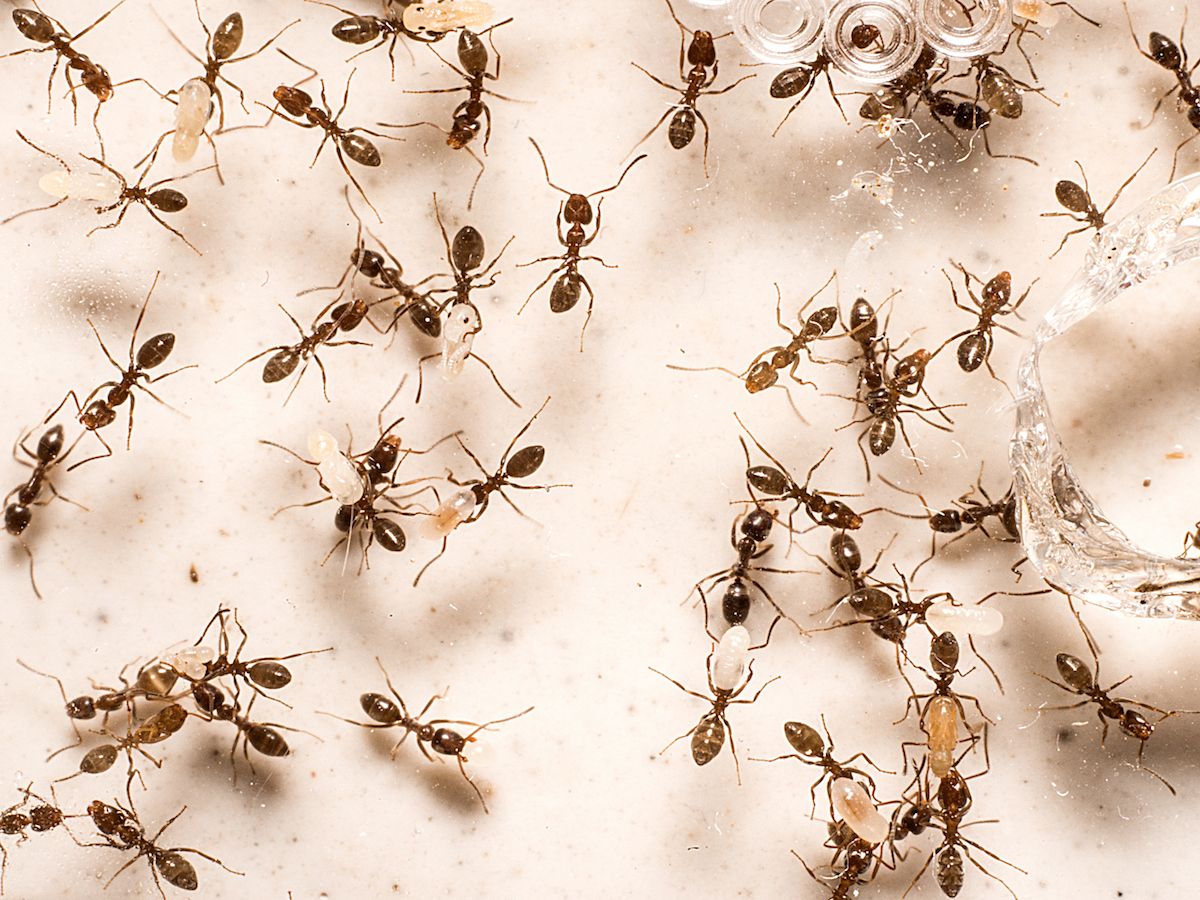
Carpenter bee holes draw spiders, ants, and even mice, because voids collect shelter and food. I have opened a fascia and found ant frass mixed with bee sawdust. If you only patch a hole without clearing secondary occupants, you could trap a problem inside a problem. That is where a broader pest control lens helps. A quick look for termite shelter tubes on adjacent framing, a scan under decks for rodent rub marks, or a sweep for wasp papery starts in attic corners can spare you return trips. Even a note that mosquitoes pool in the sagging gutter above the bee site points to a longer-term moisture control plan.
Firms that cover a range of services, from ant control to rodent control, tend to develop those cross-check habits. If your repairs coincide with scheduled spider control or mosquito control treatments, coordinate so residues and wet coatings do not interfere with paint or consolidants. Good sequencing saves time and keeps finishes clean.
Edge cases: stained timber frames, historic trim, and composite replacements
On a stained timber frame with exposed joinery, you cannot hide repairs under paint. Here, the balance tilts toward prevention, subtle filling, and acceptance that perfect grain match is rare. For fresh holes, I have used a mix of fine sawdust from the same wood and clear epoxy to create a color-true fill, then feathered the stain. It is a craftsman’s fix, not a quick one. A discreet copper cap over a vulnerable beam end can also break a drilling habit.
On historic trim with lead paint, sanding becomes a health issue. Wet-scrape edges, contain dust, and test paint before you put a sander to it. Domination Extermination technicians carry EPA lead-safe certifications for that reason. Sometimes the safest choice is to replace a run of trim in-kind, mill a matching profile, and paint under controlled conditions.
Composite replacements on fascia and trim have a strong track record against carpenter bees. PVC and fiber cement do not invite drilling. If you go that route, detail the joints so they are not obvious. Shadow lines and scarf joints look better than blunt butt joints. Use adhesives approved for the material, and fasteners that will not back out in sun.
The quiet payoff of doing it right
A season after a careful repair, nothing happens where the bees used to be. The paint lies flat. The soffit edge does not telegraph faint circles in morning light. No one thinks about the time you spent consolidating fibers and letting epoxy cure before sanding. That is the point. Good repairs disappear into the trim and let you stop policing the same stretch of eave. The deck rail that used to shed powder in May now feels solid and dries evenly after rain. That is the best marker that you controlled the underlying problem, not just the symptoms.
If you manage properties at scale, these habits compound. Map damage, time treatments, choose fillers that move with the wood, prime with products that grip, and look beyond the hole to the reasons the board drew bees in the first place. Whether you work with a local carpenter or a pest control outfit fluent in bee and wasp control, termite control, and the related trades, the same principle holds. Control starts with understanding. The finish work keeps it that way.
A concise field checklist for filling and finishing old holes
- Verify inactivity, then dust galleries lightly, not just the entry lip. Bevel and consolidate edges, let consolidant soak and set. Press in exterior-grade epoxy putty, tool slightly proud, and cure fully. Sand by hand, prime with a bonding primer, then topcoat in two passes. Calendar spring checks and address any new attempts quickly.
Well-made repairs do more than close a circle in a board. They reset the conditions that led carpenters to choose that spot in the first place. If you keep moisture moving off the surface, keep paint bonded, and keep end grain sealed, carpenter bees will usually move on to easier pickings. And if they come back to test your work, you will know what to do and when to do it, with fewer surprises and better results.
Domination Extermination
10 Westwood Dr, Mantua Township, NJ 08051
(856) 633-0304